Discover the Beauty of Labelia: Nourishing Skincare from Thailand
5/8/20242 min read
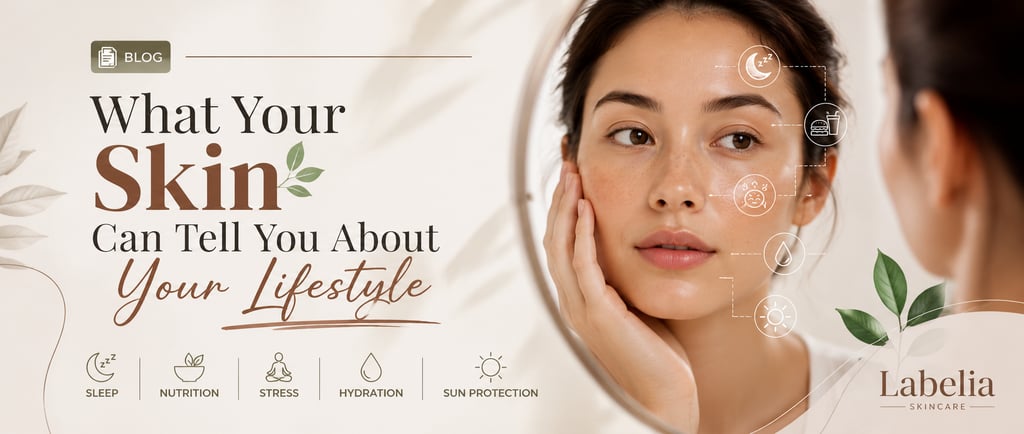

Your skin is more than just your body's outer layer—it's often a reflection of your daily habits. While genetics play an important role in skin health, factors such as sleep, diet, stress, hydration, exercise, and sun exposure can all influence how your skin looks and feels.
Understanding these connections can help you make informed lifestyle choices that support healthier skin over time.
1. Dull, Tired-Looking Skin May Signal Poor Sleep
Sleep is when your body carries out many of its natural repair processes, including those that support your skin. Consistently getting too little sleep may leave your complexion looking dull or less refreshed.
Helpful habits:
Aim for 7–9 hours of quality sleep.
Follow a consistent bedtime routine.
Remove makeup and cleanse your skin before bed.
2. Frequent Breakouts Can Be Linked to Stress
Stress doesn't directly cause acne, but it can contribute to hormonal changes that may increase oil production and make breakouts more likely in some people.
Helpful habits:
Practice stress management through exercise, meditation, or hobbies.
Avoid picking at blemishes.
Follow a gentle, consistent skincare routine.
3. Dry, Tight Skin May Indicate Dehydration or a Damaged Skin Barrier
Skin that feels rough or tight may be affected by dehydration, harsh cleansers, over-exfoliation, or environmental conditions.
Helpful habits:
Drink enough water throughout the day.
Use a gentle cleanser.
Apply a moisturizer that supports the skin barrier.
Avoid excessive exfoliation.
4. Excess Oil May Be Influenced by Your Environment and Routine
Oily skin is largely influenced by genetics, but humidity, overwashing, and certain skincare products can also affect how oily your skin feels.
Helpful habits:
Cleanse twice daily with a gentle face wash.
Use lightweight, non-comedogenic moisturizers.
Avoid harsh products that can strip the skin.
5. Uneven Skin Tone May Be Related to Sun Exposure
Daily exposure to ultraviolet (UV) rays can contribute to uneven skin tone, dark spots, and signs of premature skin aging.
Helpful habits:
Wear a broad-spectrum sunscreen every day.
Reapply sunscreen as directed, especially during prolonged outdoor activities.
Seek shade and wear protective clothing when appropriate.
6. Puffy Eyes May Reflect Your Daily Routine
Late nights, high sodium intake, allergies, or dehydration can all contribute to puffiness around the eyes.
Helpful habits:
Prioritize quality sleep.
Stay hydrated.
Reduce excessive salt intake if appropriate.
Use cool compresses to help reduce temporary puffiness.
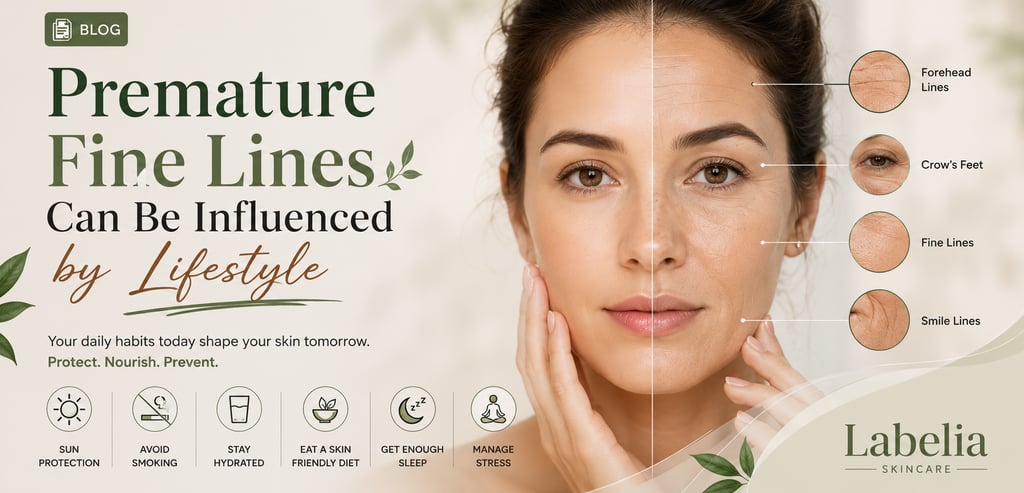
7. Premature Fine Lines Can Be Influenced by Lifestyle
Natural aging is inevitable, but factors such as smoking, excessive sun exposure, and inadequate skincare may contribute to earlier visible signs of aging.
Helpful habits:
Protect your skin from the sun.
Avoid smoking.
Keep your skin moisturized.
Maintain a balanced diet rich in fruits and vegetables.
Healthy Skin Starts with Healthy Habits
No single product can replace the benefits of a healthy lifestyle. Consistent sleep, balanced nutrition, hydration, stress management, sun protection, and a simple skincare routine all work together to support healthier-looking skin.
If you notice persistent or severe skin concerns that do not improve with lifestyle changes, consider consulting a qualified dermatologist for a personalized evaluation.
Final Thoughts
Your skin often reflects the choices you make every day. By paying attention to what your skin is telling you and adopting healthy habits, you can support your skin's natural function and maintain a healthier, more radiant complexion over time.
Healthy skin isn't about perfection—it's about consistency.